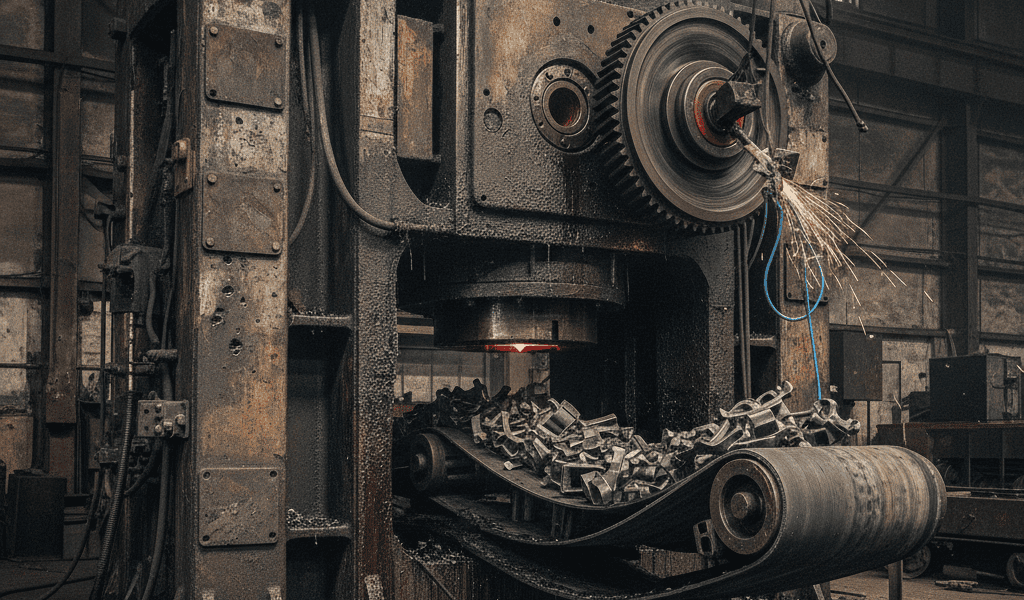
Indications Of Overworked Machinery
Every piece of equipment, from the smallest home gadget to large industrial systems, has its limits. Ignoring the subtle warnings of overworked machinery can lead to serious problems. I have seen firsthand how minor issues escalate into major breakdowns, costing both time and money. Understanding these signs is not just about avoiding repairs, it is about maintaining efficiency and extending the life of your valuable assets.
In our modern world, we rely heavily on machines for almost everything we do. Whether it is a server running complex algorithms or the air conditioning keeping our homes cool, these devices work hard. Recognizing the indications of stress and fatigue in machinery is a crucial skill for anyone responsible for their upkeep. I believe proactive observation saves a lot of headaches later on.
Understanding the Basics of Machine Stress
Machines are designed to perform within certain parameters. When these parameters are consistently exceeded, the machine experiences stress. This can happen due to continuous operation without adequate rest, carrying loads beyond rated capacity, or working in unsuitable environments. I often think of it like a human body, it needs proper rest and nutrition to function at its best.
Over time, this stress leads to accelerated wear and tear on components. What might seem like a small vibration today could be a crack forming in a critical part tomorrow. We need to respect the engineering limits of our equipment. Because if we push them too far, they will inevitably fail.
Common Causes of Machinery Overload
Several factors contribute to machinery becoming overworked. One major cause is simply running a machine for too long without scheduled breaks. Many machines need cooldown periods or maintenance intervals that are sometimes overlooked in the rush to meet demands.
Another frequent issue is improper loading. If a machine is constantly processing more material or operating at higher temperatures than it was built for, it will quickly show signs of strain. Also environmental factors such as excessive dust, humidity, or extreme temperatures can force a machine to work harder than normal just to keep functioning.
Increased Noise and Vibration as Key Indicators
One of the most immediate and common indications of overworked machinery is a change in its operational sound and feel. I always tell my team to listen to their machines. They often tell you what is wrong long before they completely break down.
A machine that normally runs smoothly and quietly might start emitting unusual noises like grinding, clunking, or whining. These sounds are usually indicators of components rubbing together that should not be or bearings failing under stress. Increased vibration is also a tell-tale sign that something is out of balance or worn out.
Why Noise Levels Matter
Excessive noise is not just annoying. It points to underlying mechanical issues. Grinding sounds often suggest a lack of lubrication or worn-out gears. A high-pitched whine can indicate a motor struggling or belt slippage. It is like an early warning system that is hard to ignore, and it always warrants immediate investigation.
Ignoring these auditory warnings is a huge mistake. Over time, these noises will get louder and more frequent. Eventually they lead to a complete mechanical failure. We have seen it happen many times in various industrial settings and also with home appliances.
Understanding Abnormal Vibrations
Vibrations are a normal part of most machinery operation. But excessive or unusual vibrations signal a problem. This might be due to loose components, misaligned shafts, or worn bearings. These vibrations create additional stress on other parts of the machine, accelerating wear across the entire system.
Sometimes, a machine might vibrate differently under load than when idle. This distinction helps diagnose whether the issue is load-related or a constant mechanical fault. I find that placing a hand on the casing or using a vibration analysis tool can help pinpoint the source of the problem. This allows for more targeted repairs and prevents further damage.
Elevated Operating Temperatures are a Red Flag
Heat is a natural byproduct of friction and energy conversion in machinery. However, consistently elevated operating temperatures are a clear indication of overworked machinery. When a machine runs hotter than its design limits, components degrade faster. Lubricants break down, and electrical insulation can fail. This significantly reduces the machine’s lifespan.
I rely on temperature gauges and thermal imaging cameras to monitor critical equipment. A sudden spike or a gradual increase in temperature over time signals that something is wrong. This could be due to excessive friction, insufficient cooling, or simply being pushed too hard for too long.
Causes of Overheating
Many factors contribute to a machine running hot. Insufficient ventilation is a common culprit. If cooling fins are blocked or air vents are obstructed, heat cannot dissipate effectively. Another reason is a faulty cooling system, such as a failing fan or a clogged radiator.
Increased friction from worn bearings or insufficient lubrication generates extra heat. Also, electrical overloads can cause motors and wiring to heat up. It is important to diagnose the specific cause of overheating quickly. This prevents permanent damage to expensive components and ensures smooth operation.
Impact on Component Longevity
High temperatures cause materials to expand and contract excessively. This leads to stress fractures and metal fatigue. Seals and gaskets can harden and crack, leading to leaks. Electrical components are especially vulnerable to heat. Their insulation can melt, causing short circuits.
For example, if your home air conditioning unit is running constantly and struggling to cool your space, it could be facing a similar issue. You might notice it blowing less cold air or making unusual noises. These are warning signs your AC needs repair. Just like with industrial equipment, an overheated AC unit will work harder, consume more energy, and eventually break down if the issue is not addressed.
Reduced Performance and Efficiency Losses
Overworked machinery often struggles to maintain its expected output. I find that a noticeable drop in performance is one of the clearest signs of an overloaded system. This can manifest in several ways, all pointing to a machine being pushed beyond its sustainable capabilities.
For example, a production line machine might take longer to complete its cycle. Or a pump might deliver less fluid per minute. These decreases in performance directly impact productivity and profitability. We always aim to keep our systems running at peak efficiency, and performance drops signal a need for immediate attention.
Declining Output and Speed
When a machine is overworked, its internal components are under strain. This causes them to move slower or less precisely. A motor struggling with an excessive load will reduce its RPM, directly affecting the speed of operations. Production output might decrease, even if the machine is running for the same amount of time.
I look for consistency in output. Any significant deviation from the norm, such as fewer units produced per hour, indicates a problem. It might seem like a minor dip at first, but it is often the start of a bigger issue. Addressing this promptly prevents further damage and keeps productivity high.
Increased Energy Consumption
An overworked machine has to exert more effort to perform the same task. This results in higher energy consumption. I consider this a double hit. First, you are losing production efficiency. Second, your operating costs go up. It is a clear sign that the machine is not running optimally.
Monitoring energy usage can reveal these hidden inefficiencies. A machine might be drawing more power than usual even if its output seems constant. This extra energy is often converted into wasted heat and wear. It is crucial to check power meters and utility bills for unexpected spikes. These can flag potential issues before they become critical failures. This careful monitoring helps us save money and conserve resources.
Visible Wear and Tear on Components
Physical signs of stress are often the most obvious indications of overworked machinery. I always conduct visual inspections because sometimes the simplest observations can prevent major disasters. Look for changes in the physical appearance of the machine and its components.
These signs might include cracked casings, frayed belts, or discolored metal. They point to parts that are under severe strain and are at risk of failing. Catching these problems early allows for targeted replacement or repair. This prevents a cascading failure across the entire system. It helps maintain operational integrity.
External Clues and Physical Damage
Inspect the exterior of the machine regularly. Look for any new cracks on the housing or frame. These can be caused by excessive vibration or structural fatigue. Check for oil leaks or grease stains. These often indicate worn seals or bearings failing.
Also, pay attention to any discoloration. Burnt paint or blackened areas suggest overheating in specific spots. These physical clues are invaluable for diagnosing problems. They often tell us exactly where the most stress is occurring within the system. We can then address those points directly.
Internal Component Deterioration
While external signs are helpful, internal inspection is also critical. Worn gears, pitted bearings, or stretched drive chains are all indications of a machine working too hard. These issues might not be immediately visible but will impact performance and eventually lead to failure.
During routine maintenance, I make sure to open up access panels and look inside. We check for signs of metal fatigue, corrosion, or excessive deposits. These internal examinations help us assess the true health of the machinery. They allow us to plan preventative maintenance more effectively. This ensures the longevity of the equipment.
Frequent Breakdowns and Maintenance Needs
A machine that constantly needs repairs or adjustments is undoubtedly overworked. I have learned that an increasing frequency of breakdowns is a definitive symptom of a system being pushed past its limits. It signals a cycle of stress and failure that needs to be broken.
If you find yourself calling for service more often than usual or performing unplanned maintenance tasks, it is time to reassess. This pattern suggests the current operational demands are unsustainable for the equipment. We should always look at the bigger picture when these issues arise.
The Cost of Constant Repairs
Frequent breakdowns are not just inconvenient. They are expensive. Each repair involves parts, labor, and often significant downtime for the operation. These costs quickly add up. They can easily exceed the cost of replacing or upgrading the machinery.
Beyond the financial aspect, there is the impact on productivity. Every minute a machine is down means lost output and potential delays. I always weigh the cost of repeated repairs against the benefits of a more reliable solution. This helps us make informed decisions about equipment management. It is a vital part of effective planning.
Understanding the Breakdown Cycle
Overworked machinery often enters a breakdown cycle. One component fails, gets repaired, and then another linked component fails soon after. This happens because the root cause of the overload is not addressed. The machine continues to operate under too much stress.
To break this cycle, we need to identify why the machine is failing repeatedly. Is it running too long? Is it handling too much weight? Is the environment too harsh? Answering these questions helps us implement sustainable solutions. It ensures the machine can perform its duties reliably. This is key to long-term success.
Conclusion on Recognizing Overworked Machinery
Recognizing the indications of overworked machinery is essential for anyone who manages or relies on mechanical systems. From unusual noises and vibrations to elevated temperatures, reduced performance, and visible wear, these signs are calls for attention. I have seen how paying close attention to these signals can prevent catastrophic failures, save money on costly repairs, and ultimately extend the lifespan of valuable equipment. It is about being observant and proactive. We must not wait until a machine completely gives out before we act. Regular inspections, careful monitoring, and a keen ear for changes can make all the difference. Understanding these symptoms allows us to maintain efficiency and reliability. We can keep our operations running smoothly and avoid unnecessary disruptions. I encourage everyone to prioritize machine health to ensure long-term success and optimal performance in all mechanical endeavors.